Beat Allergy Season in Manhattan: Why Clean Air Ducts Come First
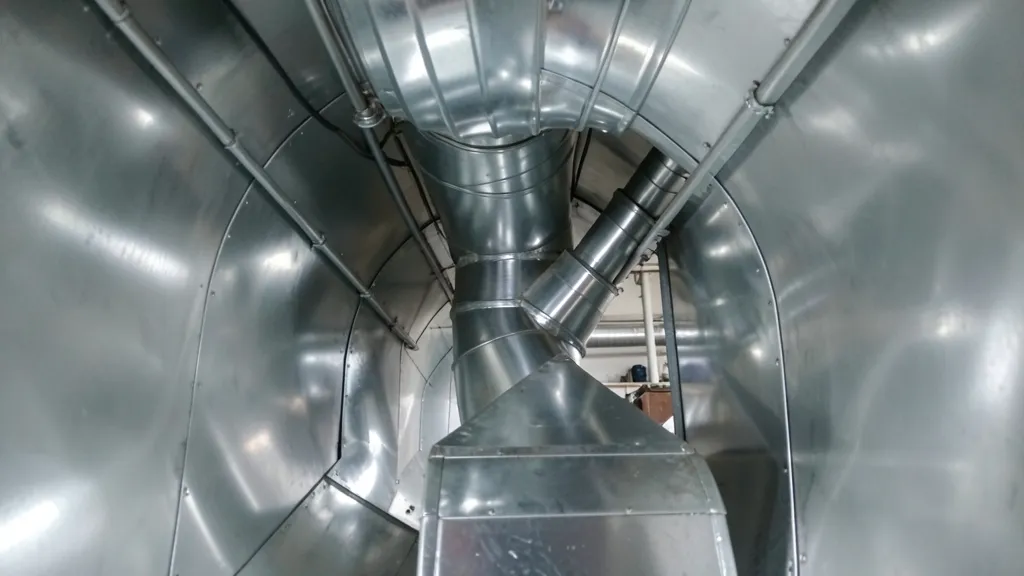
Spring and fall bring more than just blooming trees and crisp air to the city—they usher in allergy season. For Manhattan residents, the real culprit often lurks hidden in your HVAC system, circulating allergens through every room. Clean air ducts are your first line of defense.
How Dirty Ducts Worsen Allergies in Tight Urban Spaces
Manhattan apartments and brownstones trap allergens like pollen, dust mites, and pet dander in their ductwork. Every time your HVAC kicks on, these particles recirculate, aggravating symptoms.
High-rise buildings and older walk-ups often have neglected ducts, compounding the problem. Even new constructions aren’t immune—construction debris can linger in vents.
The Science: Allergens Thrive in Unclean Duct Systems
Ducts provide the perfect environment for allergens: dark, damp, and full of organic matter. Mold spores and dust mites feed on accumulated debris, multiplying rapidly.
In humid Manhattan summers, condensation in ducts accelerates mold growth. Without cleaning, these contaminants spread every time you turn on the AC or heat.
If you smell a musty odor when your HVAC runs, mold may already be present. This requires professional duct cleaning and possibly coil sanitization.
Signs Your Ducts Need Cleaning Before Allergy Season Peaks
Visible dust blowing from vents is the most obvious red flag. But other signs are subtler: unexplained allergy flare-ups indoors, or dust settling on furniture shortly after cleaning.
Increased sneezing, itchy eyes, or respiratory issues—especially in areas like Chelsea or the Upper West Side with high pollen counts—often trace back to dirty ducts.
When to Call a Pro
- Dust or debris visible in vents or registers
- Unexplained allergy symptoms that worsen indoors
- Musty or stale odors when HVAC is running
- Visible mold growth around vents or on ductwork
- Recent renovations or construction in your building
How Professional Duct Cleaning Removes Allergens for Good
We use high-powered HEPA vacuums and negative air pressure to dislodge and extract contaminants. Agitation tools like brushes and air whips break up stubborn buildup in supply and return ducts.
For severe cases, we follow up with UV light treatment or sanitization to neutralize mold, bacteria, and viruses. This is especially critical in dense neighborhoods like the Financial District, where air quality is already compromised.
Duct Cleaning vs. DIY Fixes: What Actually Works
Store-bought filters or vent covers only address surface-level dust. They can’t reach deep into ductwork where allergens accumulate.
Professional cleaning, however, tackles the root of the problem. We also inspect for leaks or poor seals, which can pull in unfiltered air from attics or crawl spaces.
| Method | Effectiveness | Longevity | Allergen Removal |
|---|---|---|---|
| DIY Vacuuming | Low | Short-term | Surface-level only |
| Filter Replacement | Moderate | 1-3 months | Partial (depends on MERV rating) |
| Professional Duct Cleaning | High | 6-12 months | Comprehensive |
| UV Sanitization | High | Ongoing | Kills mold, bacteria, viruses |
Why Manhattan Homes Need More Frequent Duct Maintenance
The city’s unique challenges—high pollution, dense housing, and seasonal humidity—mean ducts get dirty faster. Homes near busy streets or construction zones accumulate more debris.
In older buildings on the Upper East Side or Harlem, aging ductwork may have gaps or deterioration, pulling in additional contaminants. Regular inspections catch these issues early.
Schedule duct cleaning in early spring or late fall to remove allergens before they peak. Pair it with dryer vent cleaning to prevent lint buildup, another allergen source.
Beyond Ducts: Related Services to Improve Indoor Air Quality
Duct cleaning is just one piece of the puzzle. HVAC coil cleaning removes buildup on evaporator and condenser coils, which can harbor mold and reduce efficiency.
Indoor air quality testing identifies specific pollutants, while UV light systems provide ongoing protection. For commercial spaces, we offer specialized duct cleaning to meet higher air volume demands.
What to Expect During a Professional Duct Cleaning
Our team starts with a thorough inspection of your system, including vents, registers, and ductwork. We then seal off supply and return ducts to create negative pressure.
Using specialized tools, we agitate and remove debris, followed by a final HEPA vacuum pass. For homes with pets or smokers, we may recommend additional sanitization steps.
How to Prepare for Professional Duct Cleaning
A little prep ensures we can work efficiently and thoroughly.
- 1Clear the Area
Move furniture, rugs, and decor away from vents and HVAC components. This gives our team full access to registers and duct openings.
- 2Change or Remove Filters
If you have disposable filters, remove them before we arrive. We’ll inspect and replace them with high-MERV options if needed.
- 3Secure Pets
Keep pets in a separate room or outside during cleaning. The noise and activity can stress animals, and loose pet hair can interfere with equipment.
- 4Turn Off HVAC
Switch your system off at the thermostat 30 minutes before our arrival. This prevents dust from circulating during the process.
- 5Communicate Concerns
Let us know about specific issues like mold odors, recent renovations, or allergy symptoms. This helps us tailor the cleaning approach.
Frequently Asked Questions
How often should Manhattan residents clean their air ducts for allergies?
For allergy sufferers, we recommend professional duct cleaning every 6 to 12 months. Homes with pets, smokers, or high foot traffic may need more frequent service. Request a quote to assess your specific needs.
Can duct cleaning help with asthma symptoms?
Yes. Removing dust, mold, and other irritants from your ducts reduces airborne triggers that can worsen asthma. Combine duct cleaning with high-quality air filters for best results.
Is duct cleaning messy?
Not with professionals. We use contained systems and drop cloths to protect your home. You might see a slight increase in dust for a day or two afterward as any remaining particles settle.
Do newer buildings in Manhattan need duct cleaning too?
Absolutely. Even new constructions can have ductwork contaminated with drywall dust, insulation fibers, or debris from the building process. Inspect and clean ducts before moving in.
What’s the difference between duct cleaning and HVAC maintenance?
Duct cleaning focuses on removing contaminants from the ductwork itself. HVAC maintenance includes cleaning coils, checking refrigerant levels, and ensuring the system runs efficiently. Both are essential for clean air and optimal performance.
Are there any Manhattan-specific allergens that duct cleaning can address?
Yes. Pollen from Central Park trees, exhaust from heavy traffic, and dust from construction sites are common. Professional cleaning removes these particles, while UV sanitization can neutralize them.