Asbestos in Air Ducts: What Manhattan Property Owners Need to Know Before Cleaning or Replacing
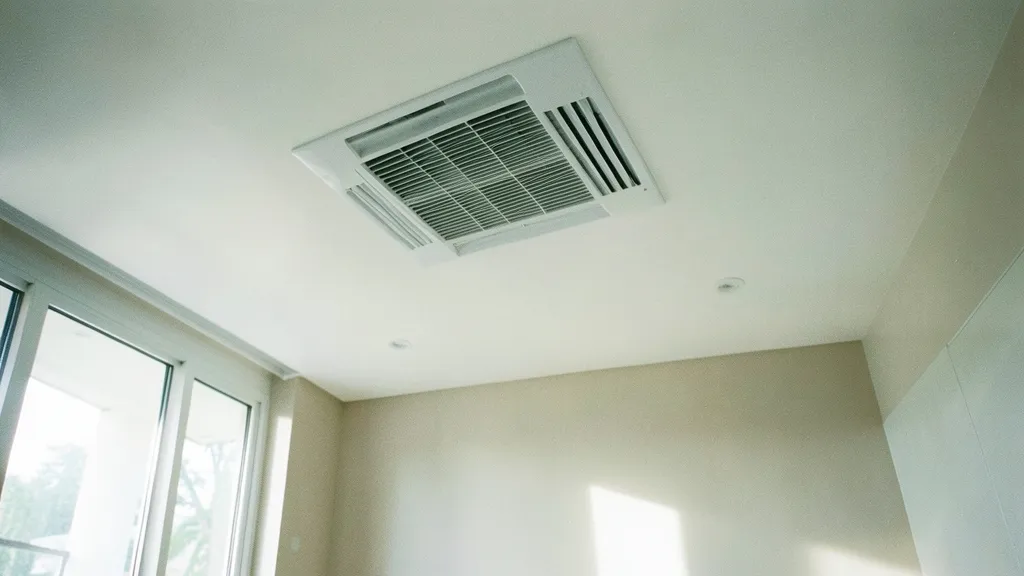
Older Manhattan buildings often hide a silent hazard: asbestos in air duct systems. Before scheduling any cleaning, replacement, or even an indoor air quality test, property owners must confirm whether asbestos is present—and handle it by the book. Our team walks you through the risks, regulations, and safe next steps.
Why Asbestos Was Used in Air Ducts—and Where It Hides
From the 1940s through the late 1970s, asbestos was a go-to material for HVAC systems due to its fire resistance and insulating properties. In Manhattan, pre-war and mid-century buildings are the most likely candidates.
Asbestos may lurk in duct insulation, joint sealants, gaskets, or even the ductwork itself if constructed from asbestos-cement. Flexible ducts with asbestos-lined interiors and external insulation wraps are also common in older systems.
The Real Risks: When Asbestos in Ducts Becomes Dangerous
Intact, undisturbed asbestos poses minimal risk. The danger arises when fibers become airborne—during duct cleaning, repairs, or demolition. Inhalation can lead to mesothelioma, asbestosis, or lung cancer over time.
Manhattan’s aging infrastructure and frequent renovations increase exposure risks. Even minor vibrations from HVAC operation can degrade asbestos-containing materials, releasing fibers into the air stream.
Never attempt to clean, cut, or remove suspected asbestos ducts yourself. Disturbing it without proper containment and PPE can contaminate your entire building.
NYC Regulations: What Manhattan Property Owners Must Follow
New York City follows strict asbestos abatement protocols under Local Law 76 and the NYC Department of Environmental Protection (DEP). Any disturbance of asbestos-containing materials (ACM) in buildings requires notification and, in most cases, licensed abatement.
The NYC Department of Buildings (DOB) mandates asbestos surveys before renovations or demolitions. For air ducts, this means testing by a certified inspector before any cleaning or replacement work begins.
Testing for Asbestos in Air Ducts: The Only Safe First Step
A licensed asbestos inspector must collect samples from ductwork, insulation, and related components. Polarized Light Microscopy (PLM) is the standard for analysis, though Transmission Electron Microscopy (TEM) may be used for finer detection.
In Manhattan, labs must be accredited by the NYS Department of Health. Results typically take 24–48 hours. If asbestos is confirmed, a management plan or abatement is required before any HVAC work proceeds.
Cleaning vs. Replacement: How Asbestos Changes the Equation
If asbestos is present, standard air duct cleaning is off the table. Even HEPA vacuuming can release fibers. Encapsulation—sealing ACM with a protective coating—may be an option for intact materials, but it’s not a permanent fix.
Full replacement is often the safest long-term solution. This requires licensed asbestos abatement contractors to remove and dispose of ACM according to NYC and EPA guidelines. Post-abatement, a clearance test confirms the area is safe.
| Approach | When Applicable | Pros | Cons |
|---|---|---|---|
| Encapsulation | Intact, non-friable asbestos | Lower cost; minimal disruption | Temporary; requires monitoring |
| Abatement + Replacement | Damaged or friable asbestos | Permanent solution; improves IAQ | Higher cost; requires vacating area |
| No Action | Undisturbed, well-sealed ACM | No immediate cost or disruption | Risk of future fiber release; may limit HVAC upgrades |
What About Related Services Like Mold or IAQ Testing?
Asbestos isn’t the only contaminant in older duct systems. Mold, dust mites, and volatile organic compounds (VOCs) can also degrade indoor air quality. However, testing for these should only follow asbestos clearance.
In areas like the Financial District or Harlem, where buildings may have mixed histories of water damage and poor ventilation, a comprehensive indoor air quality test can identify additional hazards. UV light sanitization or HVAC coil cleaning may be recommended post-abatement.
Always address asbestos first. Mold remediation or duct cleaning performed on asbestos-contaminated systems can spread fibers and void warranties.
Choosing a Contractor: Licenses and Red Flags
In Manhattan, asbestos abatement contractors must hold a NYC DEP Asbestos Handler/Supervisor license and be registered with the state. Ask for proof of insurance, including asbestos liability coverage.
Avoid contractors who downplay asbestos risks or propose “light” cleaning without testing. Reputable firms will insist on an inspection and provide a detailed abatement plan, including containment, air monitoring, and disposal procedures.
Post-Abatement: Next Steps for Safe, Clean Air Ducts
After asbestos removal, a clearance test by an independent inspector is required. Once cleared, you can proceed with duct cleaning, HVAC upgrades, or indoor air quality improvements like high-efficiency air filters or UV sanitization.
For commercial properties in Chelsea or the Upper East Side, consider scheduling regular duct inspections—especially if the building has a history of asbestos. Proactive maintenance prevents costly surprises during future renovations.
Post-Asbestos Abatement Checklist
- Obtain clearance test results from an independent lab
- Seal and dispose of all abatement waste per NYC regulations
- Schedule a follow-up indoor air quality test
- Replace or clean HVAC components as needed
- Update building records with asbestos abatement documentation
How to Safely Address Suspected Asbestos in Your Air Ducts
If you suspect asbestos in your ductwork, follow these steps to protect your property and occupants.
- 1Do Not Disturb the Ducts
Avoid any cleaning, repairs, or DIY work. Shut down the HVAC system if you suspect fiber release.
- 2Hire a Licensed Asbestos Inspector
Select a NYC professional to perform a detailed inspection and gather samples for lab analysis.
- 3Review the Test Results
If asbestos is confirmed, the inspector will provide a report outlining the location, condition, and recommended actions.
- 4Develop an Abatement Plan
Work with a licensed asbestos abatement contractor to create a compliant removal or encapsulation plan. Submit required notifications to NYC agencies.
- 5Schedule Clearance Testing
After abatement, an independent inspector must verify the area is safe before reoccupying or resuming HVAC use.
- 6Proceed with Duct Cleaning or Replacement
Once cleared, you can safely upgrade your system with services like air duct cleaning, HVAC coil cleaning, or UV sanitization.
Frequently Asked Questions
How common is asbestos in Manhattan air ducts?
Extremely common in buildings constructed or renovated before the 1980s. Many pre-war and mid-century properties in neighborhoods like the Upper West Side or Financial District still have asbestos-containing duct insulation or sealants.
Can I have my ducts cleaned if asbestos is present?
No. Standard duct cleaning methods can disturb asbestos fibers. Abatement or encapsulation must be completed first, followed by clearance testing.
What’s the cost difference between encapsulation and full asbestos abatement?
Costs vary based on the scope of work, accessibility, and type of asbestos-containing materials. Encapsulation is generally less expensive upfront, but abatement offers a permanent solution. Request a quote from a licensed contractor for an accurate estimate.
Are there any Manhattan-specific asbestos disposal sites?
Yes. NYC designates specific facilities for asbestos waste disposal. Your abatement contractor must transport and dispose of materials at an approved site, following DEP and DOB regulations.
How do I know if my building’s past renovations disturbed asbestos?
Review building records for asbestos surveys or abatement reports. If documentation is missing, assume asbestos may be present and hire an inspector before any further work. Many older buildings in Harlem or Chelsea lack updated records.
Is asbestos testing required before selling a property in Manhattan?
While not always legally required for residential sales, disclosure laws mandate informing buyers of known asbestos. For commercial properties or buildings undergoing major renovations, testing is typically mandatory under NYC codes.