How Clean Air Ducts Lower Energy Bills in Manhattan
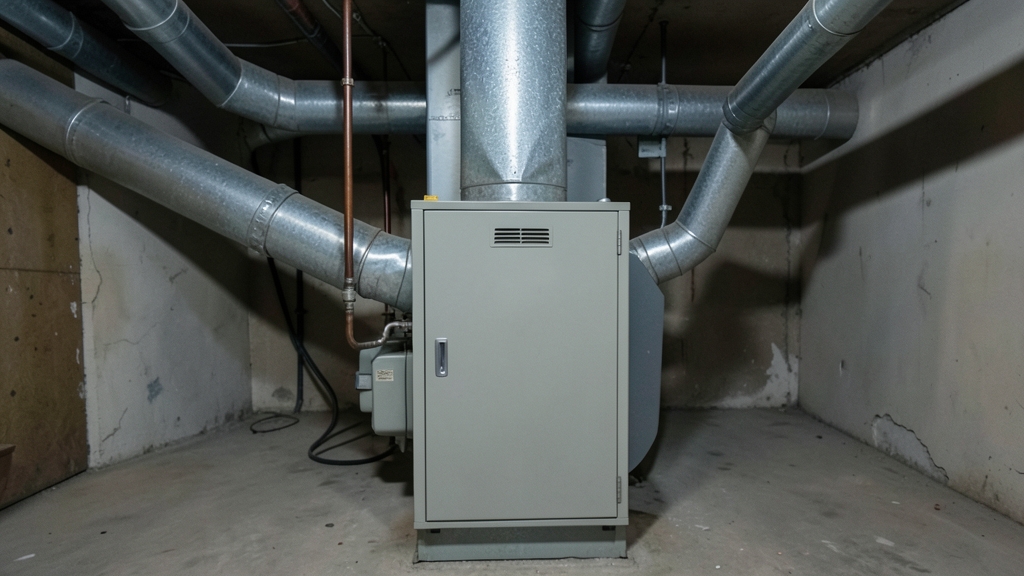
Manhattan’s dense buildings and older HVAC systems often trap dust, debris, and contaminants in ductwork. This buildup forces your system to work harder, spiking energy use. We’ve seen firsthand how clean ducts restore efficiency and cut costs across Upper East Side brownstones and Financial District high-rises alike.
Why Dirty Ducts Drain Your Wallet
Dust and debris accumulate in supply and return ducts, restricting airflow. Your HVAC system compensates by running longer cycles, burning more energy to maintain temperature.
In Manhattan’s tight spaces, poor duct design or age worsens the problem. Even newer systems suffer if maintenance is neglected.
The Science: Airflow, Static Pressure, and Efficiency
Air ducts deliver conditioned air via CFM (cubic feet per minute). Clogged ducts increase static pressure, reducing CFM and forcing the blower motor to overwork.
A 0.1-inch layer of dust on coils can drop efficiency by 20%. In commercial buildings, this impact multiplies across floors.
A clogged air filter is the simplest fix. Replace it every 1-3 months, or sooner in high-pollution areas like Chelsea.
Manhattan-Specific Challenges
Older pre-war buildings in Upper West Side or Harlem often have outdated ductwork with sharp bends and poor seals. These design flaws trap debris faster than modern systems.
High humidity in summer accelerates mold growth in ducts. Without treatment, mold spores spread, reducing airflow and indoor air quality.
How Professional Cleaning Restores Efficiency
We use high-powered vacuums and agitation tools to dislodge debris from duct walls. Negative air pressure ensures contaminants are removed, not redistributed.
For stubborn mold, we apply EPA-approved treatments. In commercial spaces, we often pair duct cleaning with HVAC coil cleaning for maximum impact.
Signs Your Ducts Need Cleaning
- Visible dust blowing from vents
- Unexplained spikes in energy bills
- Musty odors when HVAC runs
- Increased allergy symptoms indoors
Duct Cleaning vs. DIY: What You Can’t Reach
Household vacuums lack the power to clean deep ductwork. Flexible brushes can’t agitate debris like professional whips and air skips.
Improper cleaning can damage ducts or dislodge contaminants into living spaces. In Manhattan’s older buildings, this risk is higher due to fragile materials.
| Factor | Professional Service | DIY |
|---|---|---|
| Equipment | High-powered vacuums, agitation tools, inspection cameras | Household vacuum, basic brushes |
| Reach | Entire duct system, including trunk lines and branches | Surface-level only |
| Contaminant Removal | Contained and extracted via negative air pressure | Risk of redistributing dust |
| Safety | Trained technicians, no damage to ducts | Risk of damaging old or fragile ductwork |
| Mold Treatment | EPA-approved sanitizers for mold/mildew | No effective treatment |
The Role of Related Services in Energy Savings
Dryer vent cleaning prevents lint buildup, which restricts airflow and forces dryers to run longer. This is critical in high-rise buildings where vents are often longer and more complex.
UV light sanitization installed in ductwork kills mold, bacteria, and viruses. Cleaner coils and ducts mean better heat exchange and lower energy use.
Dirty evaporator or condenser coils reduce efficiency as much as clogged ducts. We recommend coil cleaning with every duct service for optimal performance.
Long-Term Savings and Indoor Air Quality
Clean ducts reduce strain on HVAC components, extending the lifespan of blower motors and compressors. This means fewer repairs and replacements over time.
Removing dust, pollen, and mold spores improves indoor air quality. For Manhattan residents with allergies or respiratory issues, this is as valuable as the energy savings.
When to Schedule a Professional Inspection
If you notice hot or cold spots in your home or office, it could signal duct blockages. Inconsistent temperatures force HVAC systems to overcompensate.
After renovations, construction dust can clog ducts quickly. We’ve cleaned ducts in Upper East Side apartments post-renovation and found layers of fine particulate.
How to Prepare for Air Duct Cleaning
A little prep ensures the most effective service.
- 1Clear the Area
Move furniture and rugs near vents to give our team full access. This speeds up the process and ensures no debris is left behind.
- 2Secure Pets
Keep pets in a separate room. The noise and activity can stress animals, and loose fur can interfere with equipment.
- 3Turn Off HVAC
Switch off your system at the thermostat before we arrive. This prevents dust from circulating during cleaning.
- 4Point Out Concerns
Tell us about any problem areas, like musty smells or weak airflow in specific rooms. This helps us focus our inspection.
- 5Plan for Access
Ensure our team can access all vents, including those in ceilings or behind furniture. In commercial spaces, provide access to mechanical rooms.
Frequently Asked Questions
How often should I clean my air ducts in Manhattan?
We recommend every 3-5 years for residential properties, or more often if you have pets, allergies, or recent renovations. Commercial spaces in high-traffic areas like Financial District may need cleaning every 1-2 years.
Can dirty ducts really increase my energy bill?
Absolutely. The U.S. Department of Energy estimates that 25-40% of energy used for heating or cooling is wasted due to contaminated ductwork. Restricted airflow forces your system to work harder.
Is duct cleaning messy?
Not with professional equipment. We use contained systems with negative air pressure to ensure dust and debris are extracted, not spread. Your home or office stays clean throughout the process.
Do I need mold treatment if my ducts are clean?
If you’ve had water damage or high humidity, mold can still grow in hidden areas. We offer mold and mildew treatments as a preventative measure, especially in older Manhattan buildings with poor ventilation.
Will duct cleaning help with my allergies?
Yes. Removing dust, pollen, pet dander, and mold spores from your ducts significantly reduces airborne allergens. Many clients in Chelsea and Upper West Side report fewer symptoms after cleaning.
What’s the difference between duct cleaning and HVAC maintenance?
Duct cleaning focuses on removing contaminants from your ductwork. HVAC maintenance includes inspecting and servicing the furnace, coils, blower, and other components. Both are essential for efficiency and longevity.