DIY vs. Professional Air Duct Cleaning in Manhattan: What You Need to Know
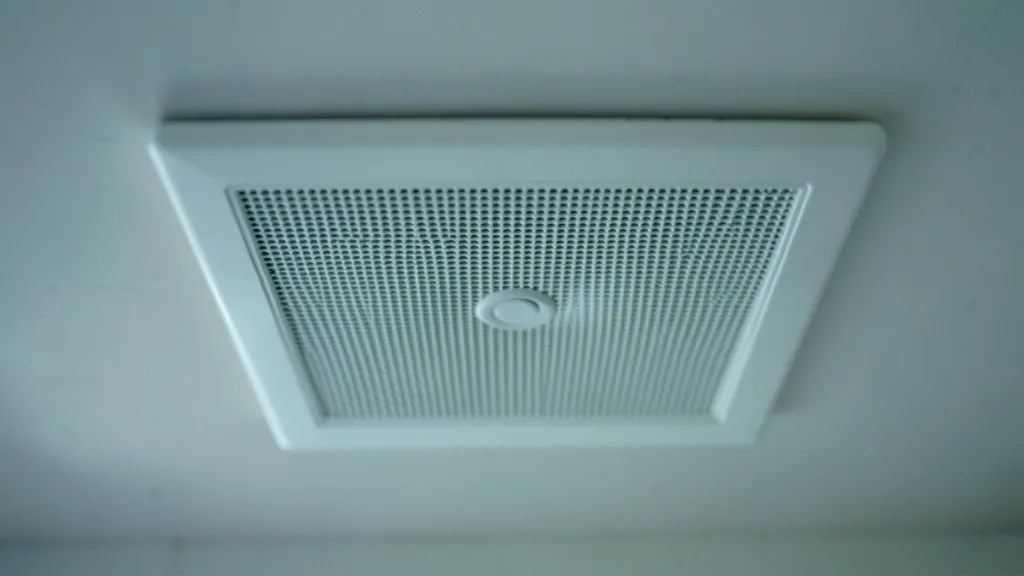
Manhattan’s dense buildings and seasonal extremes put heavy demand on HVAC systems. While DIY duct cleaning might seem straightforward, it often misses hidden contaminants and can even damage ductwork. Professional teams use industrial-grade tools to restore airflow and indoor air quality safely and thoroughly.
Why Duct Cleaning Matters in Urban Homes
Manhattan apartments and brownstones trap dust, pollen, and pet dander in ductwork year-round. Poor maintenance reduces HVAC efficiency, spikes energy use, and worsens allergies or asthma.
Older buildings in areas like the Upper West Side often have deteriorating duct seals or asbestos-lined vents, requiring expert assessment before any cleaning.
DIY Duct Cleaning: Tools and Limitations
A household vacuum with a hose attachment can remove surface dust from vents, but it lacks the suction power to dislodge deep debris. Most DIYers can’t reach past the first few feet of ductwork.
Rotary brushes sold at hardware stores may scratch flexible ducts or fail to agitate caked-on grime. Without a HEPA filtration system, loosened particles can recirculate into living spaces.
Improper tools or aggressive scrubbing can tear flex duct or dislodge joints, leading to costly repairs. Metal ducts risk denting if mishandled.
How Professionals Clean Air Ducts
Technicians use high-powered HEPA vacuums to create negative air pressure, pulling debris toward the collection unit.
Rotary brushes, air whips, and compressed air tools dislodge stubborn buildup in main trunks and branch lines. For mold or bacteria, we apply EPA-approved sanitizers or UV light treatments.
Side-by-Side: DIY vs. Professional Methods
The differences go beyond equipment. Professionals inspect for leaks, pest intrusions, or water damage that DIYers often overlook.
| Factor | DIY Approach | Professional Approach |
|---|---|---|
| Equipment | Household vacuum, basic brushes | HEPA vacuum, rotary brushes, air whips, inspection cameras |
| Reach | First 2-3 feet of duct | Entire system, including coils and plenum |
| Contaminant Removal | Surface dust only | Deep debris, mold, bacteria, pet dander |
| Safety | Risk of particle recirculation | Containment systems prevent cross-contamination |
| Time | 1-2 hours (partial) | 2-6 hours (full system, varies by home size) |
Hidden Problems Only Pros Can Address
In Manhattan’s older buildings, ducts may harbor rodent nests, insect carcasses, or even construction debris from renovations. These require specialized removal and sanitization.
HVAC coil cleaning is critical for efficiency but often skipped in DIY jobs. Dirty coils reduce airflow, freeze up in summer, and breed mold in humid Financial District offices.
Lint buildup in dryer vents is a fire hazard. We recommend bundling dryer vent cleaning with duct service for full HVAC safety, especially in high-rises.
When DIY Might Be Enough (And When It’s Not)
If your ducts were professionally cleaned within the past 3–5 years and you only notice light dust on vents, a careful DIY touch-up may suffice. Use a microfiber cloth and vacuum with a HEPA filter.
Skip DIY if you see mold, smell musty odors, or notice uneven heating/cooling. These signal deeper issues requiring professional diagnostics and NADCA-standard cleaning.
What to Expect During a Professional Service
Our team starts with a visual inspection using a borescope camera to assess duct condition and contamination levels. This step is critical in pre-war buildings common in Harlem or Chelsea.
We seal off supply and return vents to create a controlled airflow path. Negative pressure from the HEPA vacuum ensures debris travels only toward our collection unit, not your living space.
Pre-Service Prep for Homeowners
- Clear furniture and rugs near vents for full access
- Turn off HVAC systems 30 minutes before arrival
- Secure pets in a separate room
- Point out any known issues (e.g., water stains near vents)
Long-Term Benefits of Professional Cleaning
Clean ducts improve HVAC efficiency by 10–20%, reducing energy costs in Manhattan’s pricey cooling season. Residents in high-pollen areas like the Upper East Side also report fewer allergy symptoms.
Regular professional cleaning extends HVAC lifespan by reducing strain on blower motors and coils. Pair it with indoor air quality testing to monitor spores, VOCs, or carbon monoxide risks.
How to Inspect Your Ducts Before Calling a Pro
A quick pre-check can help you decide if DIY or professional cleaning is needed.
- 1Remove and Inspect Vent Covers
Use a screwdriver to take off a few supply and return vent covers. Shine a flashlight inside to look for dust buildup, mold spots, or debris.
- 2Check for Airflow Issues
Turn on your HVAC and hold a tissue near the vents. Weak airflow or uneven distribution suggests blockages or duct damage.
- 3Smell for Musty Odors
Persistent musty or stale smells when the system runs often indicate mold or bacteria in the ductwork, requiring professional treatment.
- 4Look for Visible Mold
If you see black or greenish spots on duct surfaces or around vents, stop DIY efforts and contact a pro for mold remediation.
- 5Assess Recent Renovations
If your home or building had recent construction, drywall dust or insulation fibers may be clogging the ducts, necessitating a thorough cleaning.
Frequently Asked Questions
How often should air ducts be cleaned in Manhattan apartments?
Every 3–5 years is standard, but high-traffic homes, pet owners, or those in dusty areas like Chelsea may need it every 2–3 years. After renovations or water damage, inspect immediately.
Can DIY duct cleaning damage my HVAC system?
Yes. Aggressive brushing can tear flex duct, and improper vacuuming may dislodge joints or spread contaminants. In older buildings, disturbing asbestos-lined ducts poses serious health risks.
Why do professionals charge more for coil cleaning?
HVAC coils require specialized tools and chemicals to remove baked-on grime without damaging the fins. This labor-intensive process restores efficiency and prevents mold growth in humid Manhattan summers.
Is UV light treatment worth it for Manhattan homes?
UV-C light systems installed in ductwork kill mold, bacteria, and viruses, improving air quality. They’re especially valuable in dense urban areas with poor outdoor air or for immune-compromised residents.
Do I need duct cleaning if I replace my air filters regularly?
Filters catch larger particles but can’t stop fine dust, mold spores, or debris from settling in ducts. Regular filter changes help, but professional cleaning addresses the root of contamination.
Can duct cleaning reduce my energy bills?
Yes. The U.S. EPA estimates that removing even 0.042 inches of dust from coils can improve efficiency by up to 21%. In Manhattan’s high-cost energy market, this adds up quickly.