The Hidden Costs of Dirty Air Ducts for Manhattan Businesses
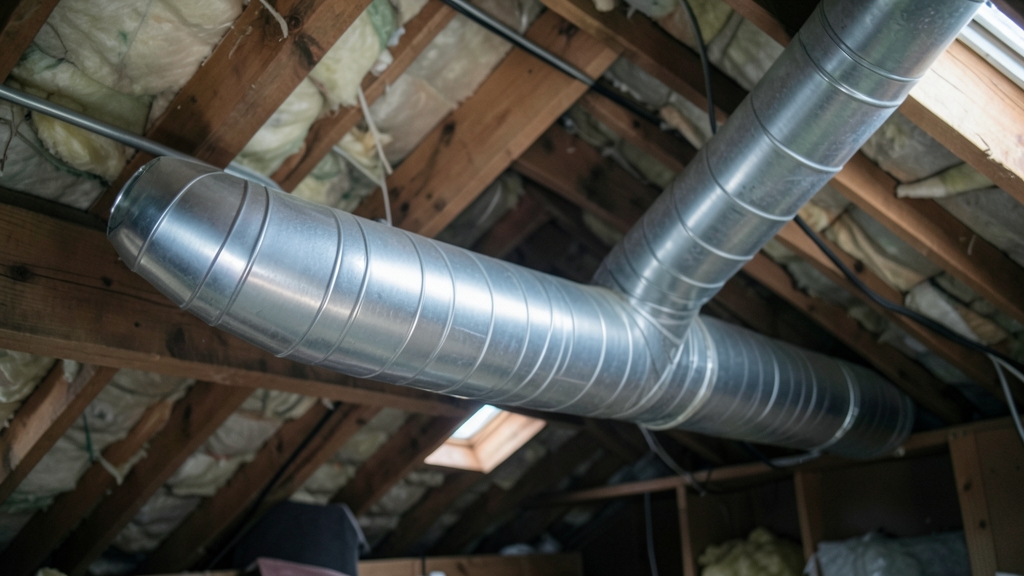
Manhattan’s dense commercial spaces rely on HVAC systems working at peak efficiency. Dirty air ducts silently inflate operating costs, degrade indoor air quality, and accelerate wear on equipment. We’ve seen firsthand how neglected ductwork impacts businesses from the Financial District to Harlem.
How Dirty Ducts Drain Your Bottom Line
Restricted airflow from dust and debris forces HVAC systems to work harder, spiking energy consumption. In a city with high electricity rates, this inefficiency hits hard.
Clogged ducts reduce heating and cooling capacity, leading to inconsistent temperatures. Tenants and employees notice—and so do your utility bills.
Excessive runtime shortens equipment lifespan. Replacing a commercial HVAC unit dwarfs the cost of routine duct cleaning and maintenance.
Indoor Air Quality: The Invisible Threat to Productivity
Manhattan’s urban environment already challenges IAQ with pollution and allergens. Dirty ducts amplify the problem by recirculating contaminants.
Mold, bacteria, and dust mites thrive in unclean ductwork. These pollutants trigger allergies, respiratory issues, and absenteeism among staff.
For restaurants, medical offices, or retail in Chelsea or the Upper East Side, poor IAQ can violate health codes or deter customers.
Commercial kitchens and gyms generate grease, moisture, and organic particles. Without cleaning, ducts become breeding grounds for harmful microbes.
The Domino Effect on HVAC Components
Dust buildup on coils and blower motors reduces heat exchange efficiency. This forces systems to overcompensate, increasing wear and tear.
Dirty filters and ducts strain fans and belts, leading to more frequent repairs. We often find failed components traceable to neglected air pathways.
Even advanced systems in modern Midtown buildings suffer when ducts aren’t maintained. Clean airflow is the foundation of reliable performance.
Comparing DIY vs. Professional Duct Cleaning for Businesses
DIY methods like vacuuming vents barely scratch the surface. Most contaminants lodge deep in the ductwork, beyond household tools.
Professionals use high-powered vacuums, brushes, and inspection cameras to remove debris thoroughly. We also address mold, bacteria, and pest infestations.
| Factor | DIY | Professional |
|---|---|---|
| Depth of cleaning | Surface-level | Full system access |
| Equipment used | Household vacuum, brushes | HEPA vacuums, rotary brushes, cameras |
| Mold/bacteria treatment | Not addressed | Sanitization options (UV, chemical treatments) |
| Safety compliance | Risk of damage or incomplete work | OSHA/NADCA standards followed |
| Time required | Hours to days (disruptive) | Scheduled, minimal downtime |
Manhattan-Specific Challenges for Commercial Ductwork
Older buildings in the Financial District or Harlem often have aging duct systems prone to leaks and contamination. Retrofitting isn’t always an option.
High-rise HVAC systems face unique pressure and airflow dynamics. Improper cleaning can disrupt balance, leading to hot or cold spots across floors.
Construction dust from nearby projects in areas like Chelsea can infiltrate ducts quickly. Regular maintenance is non-negotiable in active urban zones.
Manhattan’s humid summers and cold winters stress HVAC systems. Schedule duct cleaning in spring or fall to prep for peak demand.
Long-Term Savings: More Than Just Clean Air
Clean ducts improve energy efficiency by 10–25%, depending on system condition. For large commercial spaces, this translates to significant annual savings.
Reduced strain on components lowers repair frequency. Businesses in the Upper West Side or Midtown often recoup cleaning costs within a year through avoided breakdowns.
Better IAQ enhances employee health and productivity. Fewer sick days and complaints create indirect financial benefits.
Services That Complement Duct Cleaning
Dryer vent cleaning prevents fire hazards in commercial laundries or restaurants. Lint buildup is a silent but serious risk in high-volume settings.
HVAC coil cleaning restores heat exchange efficiency. Dirty coils can nullify the benefits of clean ducts.
UV light and sanitization treatments neutralize mold, bacteria, and viruses. Ideal for healthcare, food service, or high-traffic retail in Manhattan.
When to Call the Experts
Visible dust or debris around vents is a clear sign. But many issues—like mold or restricted airflow—aren’t visible without inspection.
Increased energy bills without explanation? Duct problems are a common culprit, especially in older buildings.
If occupants report allergies or respiratory issues, poor IAQ may be the cause. Testing and cleaning can provide relief.
Signs Your Business Needs Duct Cleaning
- Unexplained rise in energy costs
- Visible dust/mold near vents or registers
- Musty odors when HVAC runs
- Inconsistent heating/cooling across spaces
- Frequent HVAC repairs or reduced airflow
How to Choose a Commercial Duct Cleaning Provider in Manhattan
Not all duct cleaning services are equal—here’s how to vet the right partner for your business.
- 1Verify Certifications
Ensure the company is NADCA-certified (National Air Duct Cleaners Association). This aligns with industry standards for safety and effectiveness.
- 2Ask About Equipment
Professionals should use HEPA-filtered vacuums, rotary brushes, and inspection cameras. Avoid providers relying on basic tools.
- 3Request a Detailed Inspection
A reputable provider will assess your system’s condition before quoting. This includes checking for leaks, mold, or pest infestations.
- 4Confirm Compliance and Insurance
Manhattan businesses need providers with liability insurance and OSHA compliance. This protects your property and employees.
- 5Review Service Scope
Ensure the quote includes cleaning all components: supply/return ducts, coils, blower motors, and vents. Add-ons like sanitization should be optional but available.
- 6Check Local Experience
Prioritize providers familiar with Manhattan’s building codes, climate, and common ductwork challenges. Local expertise matters.
Frequently Asked Questions
How often should commercial air ducts be cleaned in Manhattan?
Most businesses benefit from cleaning every 3–5 years, but high-traffic spaces like restaurants or medical offices may need it annually. Factors like building age, occupancy, and local air quality (e.g., near construction sites) can shorten this interval.
Can dirty ducts affect my building’s energy efficiency?
Yes. Restricted airflow and inefficient HVAC performance can lower your energy efficiency metrics, impacting certifications like ENERGY STAR or LEED. Clean ducts help maintain compliance and ratings.
Is mold in air ducts a common issue in Manhattan?
Absolutely. Humidity from summer months, combined with older ductwork in many Manhattan buildings, creates ideal conditions for mold growth. Regular inspections and treatments are key to prevention.
What’s the difference between residential and commercial duct cleaning?
Commercial systems are larger, more complex, and often serve multiple zones. They require specialized equipment, stricter adherence to codes, and may involve coordination with building management. Residential cleaning is simpler by comparison.
Do you offer air quality testing after duct cleaning?
Yes, we provide indoor air quality testing to verify improvements post-cleaning. This is especially valuable for businesses in sensitive industries, like healthcare or food service, where IAQ standards are critical.
How do I know if my building’s ducts need more than just cleaning?
If you notice persistent odors, visible mold, or recurring HVAC issues, your system may require additional services like coil cleaning, sanitization, or even duct sealing. A professional inspection will identify the right solutions.