The Homeowner’s Guide to Sealing Duct Leaks in Manhattan
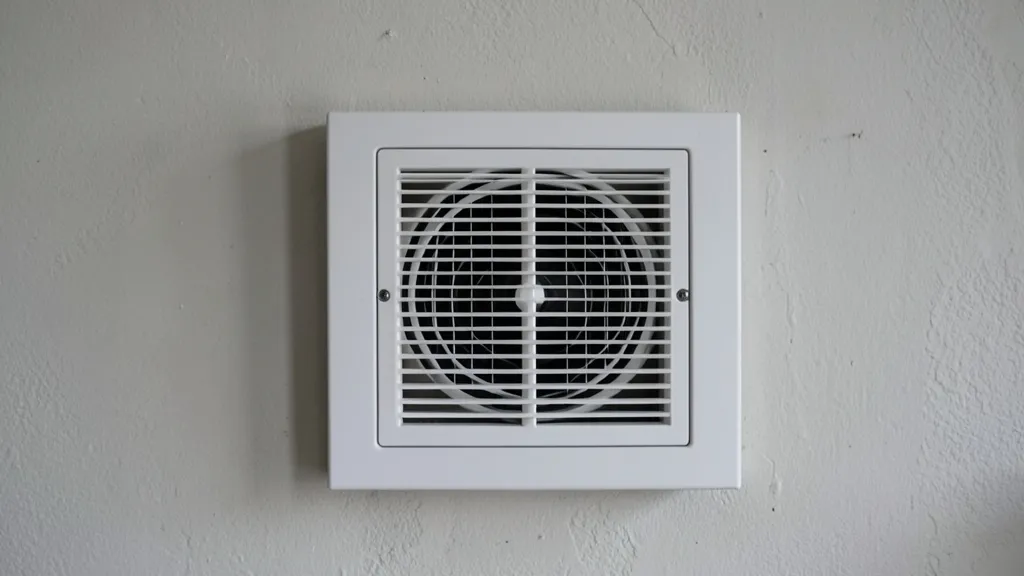
Leaky ducts waste energy, strain your HVAC, and circulate dust or allergens throughout your home. In a dense urban environment like ours, even small gaps can drive up costs and reduce comfort. We’ll walk you through spotting, sealing, and preventing duct leaks the right way.
Why Duct Leaks Matter in Your Home
Leaky ducts can lose 20-30% of your heated or cooled air before it reaches your living spaces. That means higher utility bills and uneven temperatures from room to room.
In older buildings common in neighborhoods like the Upper East Side or Harlem, aging ductwork is especially prone to cracks, disconnections, or poor seals at joints.
Signs You Have Leaky Ducts
High energy bills with no clear cause are a red flag. If your system runs constantly but some rooms stay too hot or cold, leaks may be the culprit.
Visible dust trails near vents, musty odors, or excessive humidity can also signal duct issues. These problems often worsen in summer humidity or winter dryness.
Whistling or hissing noises from your ductwork are audible signs of escaping air. Don’t ignore them—small leaks grow over time.
Common Leak Indicators
- Uneven heating or cooling between rooms
- Higher-than-usual energy bills
- Dust buildup around supply vents
- Hissing or popping sounds in ducts
- Musty or stale odors when HVAC runs
Duct Leak Detection Methods
A visual inspection is the first step. Check for disconnected sections, gaps at seams, or crushed flex ducts in accessible areas like basements or utility closets.
For hidden leaks, we use a blower door test combined with a duct blaster. This pressurizes the system to pinpoint even small escapes.
Thermal imaging cameras reveal temperature differences caused by leaks. In older brownstones, this is especially useful for tracing duct paths behind walls.
Mark leak locations with painter’s tape during testing. This saves time when you’re ready to seal.
Sealing Materials: What Works Best
Mastic sealant is the gold standard for permanent, airtight seals on rigid metal ducts. It’s flexible, durable, and won’t degrade over time like duct tape.
For flex ducts, use UL-181 rated metal tape or heat-approved mastic. Avoid cloth-backed duct tape—it fails under temperature swings common in attics or crawl spaces.
Foil-backed insulation can add an extra barrier, but sealing first is critical. Insulation alone won’t stop air leaks.
| Material | Best For | Lifespan | Temperature Resistance |
|---|---|---|---|
| Mastic Sealant | Rigid metal ducts, joints | 10+ years | High (up to 250°F) |
| UL-181 Metal Tape | Flex ducts, small gaps | 5-10 years | Moderate (up to 200°F) |
| Duct Tape (Cloth-Backed) | Temporary fixes only | 1-2 years | Low (fails in heat/cold) |
| Aerosol Sealant | Hard-to-reach leaks | 5-7 years | Moderate (professional application) |
Step-by-Step Sealing Process
Start by turning off your HVAC system at the thermostat and breaker. Safety first—exposed ducts can have sharp edges.
Clean the area around leaks with a damp cloth. Dust or grease prevents proper adhesion of sealants or tape.
Apply mastic with a paintbrush for small gaps or a putty knife for larger ones. For flex ducts, wrap metal tape tightly around seams, overlapping edges by at least an inch.
When to Call a Professional
If your ducts are hidden behind walls or in tight spaces, like many in Chelsea or Financial District high-rises, DIY sealing isn’t practical. We have the tools to access and repair them safely.
For commercial buildings or large homes, a professional duct cleaning and sealing service ensures all leaks are addressed. We also check for mold or debris that could be circulating.
After major renovations, always have your ductwork inspected. Construction debris or shifted structures can create new leaks.
Never seal ducts with combustible materials. Improper sealing can create fire hazards or block airflow entirely.
Preventing Future Duct Leaks
Schedule annual HVAC maintenance, including duct inspections. Catching small issues early prevents costly repairs later.
Replace damaged or kinked flex ducts promptly. Even minor bends restrict airflow and stress the system.
Consider adding UV light treatment or air filter upgrades during sealing. These improve indoor air quality, especially in pollen-heavy seasons.
Duct Sealing and Indoor Air Quality
Sealing leaks doesn’t just save energy—it stops unfiltered air from entering your system. This reduces dust, allergens, and even mold spores circulating in your home.
In dense urban areas, outdoor pollution can infiltrate through leaks. Proper sealing, paired with HVAC coil cleaning, keeps your air cleaner.
For homes with allergy sufferers, we often recommend combining duct sealing with a mold and mildew treatment. This creates a healthier indoor environment.
How to Test for Duct Leaks at Home
You can perform a simple check before calling in the pros.
- 1Turn on the HVAC
Set your system to the highest fan speed and let it run for 10 minutes. This pressurizes the ducts.
- 2Inspect Accessible Ducts
Look for visible gaps, disconnected sections, or crushed flex ducts in basements, attics, or crawl spaces.
- 3Use the Smoke Test
Hold a lit incense stick near duct seams. If the smoke wavers or gets sucked in, there’s a leak.
- 4Check for Temperature Differences
Use a thermometer to compare supply vent temps. Significant drops may indicate leaks upstream.
- 5Listen for Hissing
Stand near ducts while the system runs. Hissing or whistling sounds often pinpoint escaping air.
Frequently Asked Questions
Can I use regular duct tape to seal my ducts?
No. Cloth-backed duct tape degrades quickly under temperature changes. For lasting results, use mastic sealant or UL-181 rated metal tape instead.
How much can I save by sealing my ducts?
Savings vary, but the U.S. Department of Energy estimates sealing ducts can reduce energy bills by 20-30%. Factors like duct location, system age, and local climate (like Manhattan’s extreme seasons) affect the exact impact. Request a quote for a personalized estimate.
Are there any rebates for duct sealing in Manhattan?
Yes, some utility companies and local programs offer rebates for energy-efficient upgrades, including duct sealing. Check with Con Edison or NYSERDA for current incentives.
How often should ducts be inspected for leaks?
We recommend an inspection every 2-3 years, or immediately if you notice uneven heating/cooling, higher bills, or musty odors. Older homes or those with recent renovations may need more frequent checks.
Does sealing ducts help with allergies?
Absolutely. Leaky ducts pull in unfiltered air, dust, and pollutants. Sealing them, along with regular air filter replacement, can significantly improve indoor air quality and reduce allergy symptoms.
What’s the difference between sealing and cleaning ducts?
Sealing stops air leaks, while cleaning removes dust, debris, and contaminants from inside the ductwork. For optimal performance, we often recommend both—especially in older homes or after renovations.