Why NADCA Recommends Air Duct Cleaning for Manhattan High-Rises
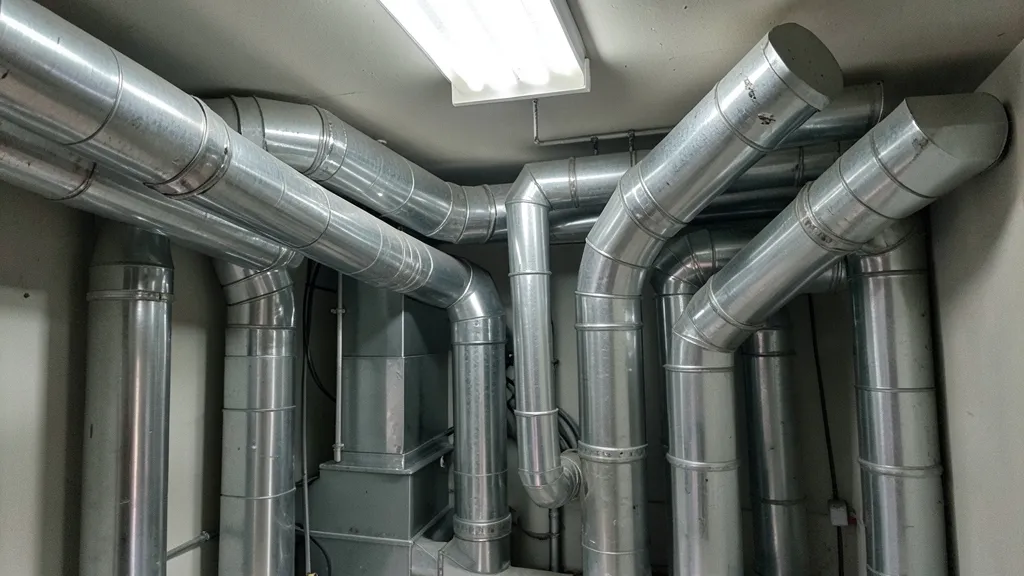
Manhattan’s dense high-rises rely on complex HVAC systems that circulate air—and contaminants—throughout entire buildings. NADCA’s guidelines highlight duct cleaning as critical for maintaining indoor air quality and system performance in these environments.
What NADCA Says About High-Rise Ductwork
NADCA, the National Air Duct Cleaners Association, sets the industry standard for HVAC system cleaning. Their research shows high-rise ductwork accumulates debris faster due to vertical air flow and shared ventilation.
In Manhattan, where buildings often house hundreds of units, a single contaminated duct can spread pollutants across multiple floors. NADCA recommends cleaning every 3-5 years—or sooner if occupants report respiratory issues.
Always verify your provider is NADCA-certified. This ensures they follow strict protocols for source removal cleaning, not just surface dusting.
Unique Challenges in Manhattan High-Rises
Our city’s climate—humid summers, cold winters—forces HVAC systems to work overtime. This accelerates dust, mold, and even pest debris buildup in ductwork.
Older buildings in areas like the Upper East Side or Financial District often have aging ducts with cracks or poor seals, worsening contamination. Even newer towers in Chelsea face pollution from street-level exhaust and construction dust.
How Contaminants Spread in Shared Systems
High-rises typically use centralized HVAC, meaning one duct network serves dozens of units. A mold outbreak in a single apartment’s vent can quickly migrate to others via return air pathways.
Pollen, pet dander, and cooking odors also travel this way. Without regular cleaning, these particles recirculate, degrading indoor air quality for all tenants.
| Contaminant | Source | Risk Level |
|---|---|---|
| Dust mites | Fabric, carpets, upholstery | Moderate |
| Mold spores | Humidity, water leaks | High |
| Pollen | Outdoor air intake | Seasonal |
| Construction debris | Nearby renovations | Variable |
| Rodent droppings | Gaps in ductwork | High |
The Link Between Duct Cleaning and Energy Efficiency
Clogged ducts force HVAC systems to work harder, increasing energy consumption. NADCA estimates dirty ducts can reduce efficiency by 20-30%, a significant cost for large buildings.
In Manhattan, where electricity rates are high, even a 10% improvement in efficiency can translate to substantial savings. Clean ducts also extend equipment lifespan, delaying costly replacements.
Health Impacts for Tenants and Staff
Poor indoor air quality triggers allergies, asthma, and other respiratory issues. In high-rises, where occupants spend 90% of their time indoors, the stakes are higher.
Building managers in Harlem or the Upper West Side often report fewer tenant complaints after duct cleaning. It’s not just comfort—it’s a health necessity.
A persistent musty smell often signals mold in the ducts. This requires professional treatment, not just masking with air fresheners.
NADCA’s Recommended Cleaning Process
NADCA’s method involves three key steps: inspection, cleaning, and verification. Technicians use high-powered vacuums and agitation tools to dislodge debris from duct walls.
For Manhattan high-rises, we often combine this with HVAC coil cleaning and air filter replacement to maximize system performance. Dryer vent cleaning is another critical add-on, especially in buildings with shared laundry facilities.
When to Schedule Duct Cleaning in Manhattan
NADCA advises cleaning after renovations, water damage, or if occupants experience unexplained health symptoms. In our city, we also recommend it before peak seasons—summer and winter—when HVAC usage spikes.
Visible dust around vents, reduced airflow, or higher energy bills are clear signs it’s time. For commercial properties, more frequent cleaning may be necessary due to higher occupancy.
Signs Your High-Rise Needs Duct Cleaning
- Dust or debris around supply vents
- Unexplained allergic reactions among tenants
- Increased energy bills without usage changes
- Musty or stale odors when HVAC runs
- Visible mold growth near vents or ducts
Beyond Duct Cleaning: Complementary Services
For comprehensive indoor air quality, pair duct cleaning with UV light sanitization to kill mold and bacteria. Indoor air quality testing can also identify hidden pollutants.
In commercial buildings, we often bundle duct cleaning with dryer vent cleaning to prevent fire hazards. These services work together to create a healthier, safer environment.
How to Prepare Your High-Rise for NADCA-Compliant Duct Cleaning
Proper preparation ensures a smooth, effective cleaning process.
- 1Notify Tenants
Inform occupants about the schedule, duration, and any temporary HVAC shutdowns. Provide clear instructions for securing pets or sensitive items.
- 2Clear Access Points
Ensure technicians can reach all vents, registers, and HVAC equipment. Move furniture or storage away from walls if needed.
- 3Inspect for Hazards
Check for asbestos (common in older buildings) or other hazards that require special handling. A pre-cleaning inspection is critical.
- 4Secure Sensitive Areas
Cover or seal off areas with delicate equipment, artwork, or electronics to protect them from dust dislodged during cleaning.
- 5Verify Credentials
Confirm the cleaning team is NADCA-certified and uses industry-standard equipment, like negative air machines and HEPA vacuums.
Frequently Asked Questions
How often should high-rise buildings in Manhattan get their ducts cleaned?
NADCA recommends every 3-5 years under normal conditions. However, buildings in high-pollution areas or with frequent tenant turnover may need it more often. Request a quote for a tailored assessment.
Can duct cleaning reduce my building’s energy costs?
Yes. Clean ducts improve airflow, reducing the strain on HVAC systems. In large buildings, this can lead to noticeable energy savings, though the exact amount depends on system size and current condition.
Is mold in ducts a common problem in Manhattan high-rises?
Unfortunately, yes. Our humid summers and older infrastructure create ideal conditions for mold growth. Professional duct cleaning with mold treatment can mitigate this risk.
What’s the difference between residential and commercial duct cleaning?
Commercial systems are larger and more complex, often requiring specialized equipment and longer downtime. They also serve more occupants, so contamination spreads faster. NADCA standards address both, but the scale and approach differ.
Do you serve specific Manhattan neighborhoods like Chelsea or Harlem?
Our team services all of Manhattan, including Chelsea, Harlem, the Upper East Side, and the Financial District. Local expertise matters—we understand the unique challenges of each area’s buildings and climate.
What should I look for in a NADCA-certified duct cleaning company?
Verify their certification is current and ask about their cleaning methods. Reputable companies use source removal techniques, not just chemical sprays, and provide before-and-after inspections.