Why the Right Equipment Matters for Effective Air Duct Cleaning in Manhattan
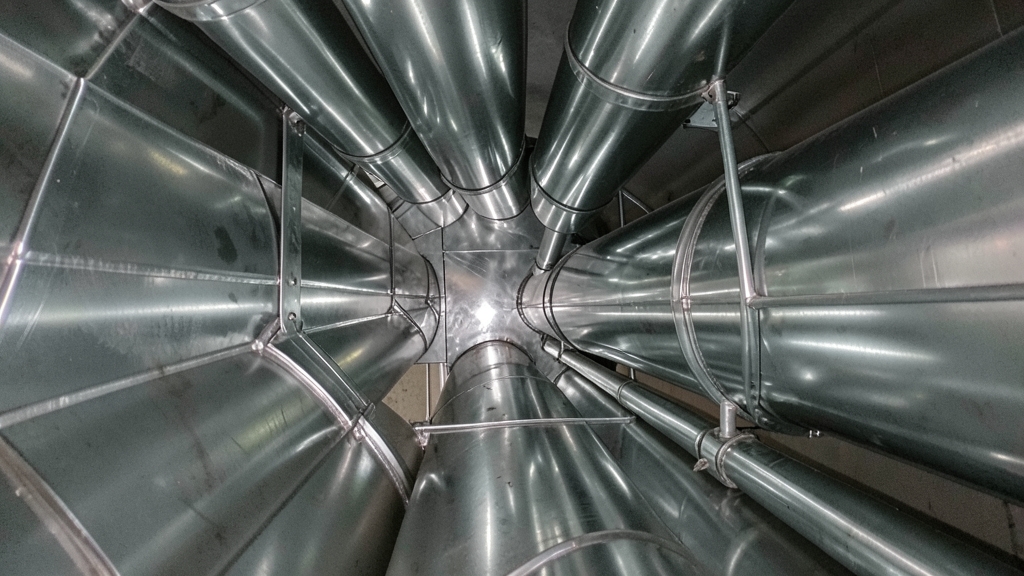
The difference between a superficial duct cleaning and a deep, effective one often comes down to the tools. In dense, high-rise-heavy areas, proper equipment isn’t just helpful—it’s essential to reach every inch of your system and remove contaminants that circulate through your space.
Why Standard Vacuums Fall Short in Duct Cleaning
Household vacuums lack the suction power and filtration to capture fine particulates deep in ductwork. They often just redistribute dust, leaving allergens and debris behind.
Professional-grade HEPA vacuums, however, create negative air pressure that pulls contaminants out of the system entirely, preventing re-entry into your indoor air.
Core Tools Every Manhattan Pro Uses
Rotary brushes and air whips agitate and dislodge stubborn buildup from duct walls. These tools are especially critical in older buildings where decades of dust and grime accumulate.
Inspection cameras let our team see inside ducts before and after cleaning, ensuring no section is missed. This is vital in complex systems common in Upper East Side brownstones or Financial District offices.
| Tool | Purpose | Why It Matters in Ductwork |
|---|---|---|
| HEPA Vacuum | Captures dislodged debris | Prevents recontamination with 99.97% filtration |
| Rotary Brush | Scrubs duct interiors | Removes caked-on dust and biofilm |
| Air Whip | Loosens stubborn buildup | Reaches tight bends and seams |
| Inspection Camera | Visual confirmation | Verifies cleanliness in hidden sections |
The Hidden Risks of DIY Duct Cleaning
Without proper equipment, DIY attempts can damage ductwork, dislodge asbestos in older systems, or fail to address mold and mildew. These risks are amplified in pre-war buildings common in Harlem or Chelsea.
Improper cleaning can also cause damage or create fire hazards if dryer vents aren’t handled correctly. Always leave this to trained professionals.
Never attempt to clean ducts in buildings with asbestos or lead-based materials without professional testing and abatement.
How Negative Air Machines Improve Results
These powerful units create a controlled airflow that pulls contaminants toward the vacuum, rather than pushing them further into the system. This is key for thorough cleaning in multi-unit buildings.
In commercial spaces like those in the Financial District, negative air machines help maintain air quality during cleaning, minimizing disruption to tenants.
Access Tools for Manhattan’s Unique Duct Systems
Many older buildings have ductwork with limited access points. Our team uses specialized tools like flexible rods and extension wands to navigate tight spaces in Upper West Side co-ops or pre-war walk-ups.
For commercial systems, we employ modular components that adapt to large, complex networks. This ensures every branch and vent receives attention.
Before hiring a service, confirm they have the tools to handle your building’s specific duct layout. One-size-fits-all approaches often miss critical areas.
Equipment for Related Services
The same high-grade tools that clean ducts are often used for dryer vent cleaning, HVAC coil cleaning, and UV sanitization treatments. This ensures consistency across all your indoor air quality services.
For mold and mildew treatment, we pair mechanical cleaning with antimicrobial sprays applied via specialized nozzles. This dual approach is essential in humid Manhattan summers.
Signs Your System Needs Professional Equipment
- Visible dust blowing from vents when HVAC runs
- Unexplained allergy flare-ups indoors
- Musty odors persisting after cleaning surfaces
- Reduced airflow from certain vents
What to Expect During a Professional Cleaning
Our process starts with a full inspection using cameras to assess the system’s condition. This step is critical in identifying problem areas like mold or blockages.
We then use a combination of agitation tools and HEPA vacuums to remove contaminants, followed by a final inspection to confirm results. For commercial clients, we often schedule cleanings during off-hours to minimize disruption.
How to Verify a Company Uses Proper Equipment
Not all air duct cleaning services are created equal—here’s how to spot the professionals.
- 1Ask About Their Tools
A reputable company will readily explain their equipment, such as HEPA vacuums, rotary brushes, and inspection cameras. Avoid vague answers.
- 2Check for Certifications
Look for NADCA (National Air Duct Cleaners Association) certification, which requires adherence to strict equipment and methodology standards.
- 3Request Before-and-After Inspections
Professionals should offer to show you duct conditions pre- and post-cleaning using their camera systems. This transparency is a hallmark of quality.
- 4Inquire About Related Services
Companies that also offer dryer vent cleaning, coil cleaning, or UV sanitization typically invest in higher-grade, versatile equipment.
- 5Read the Fine Print
Ensure their process includes sealing and re-assembling all access points properly to prevent air leaks or pest entry.
Frequently Asked Questions
How often should air ducts be cleaned in a Manhattan apartment?
For most residential spaces, we recommend cleaning every 3–5 years, or more frequently if you have pets, allergies, or notice reduced airflow. High-rise apartments may need attention sooner due to shared HVAC systems.
Can improper equipment damage my ducts?
Yes. Low-quality tools or aggressive techniques can puncture ductwork, dislodge joints, or even spread contaminants. Professional-grade equipment is designed to clean without causing harm.
Do you clean dryer vents with the same equipment?
We use specialized brushes and high-powered vacuums for dryer vents, which require different tools than air ducts due to lint’s flammable nature. This service often pairs well with duct cleaning for comprehensive results.
Why is HEPA filtration important for duct cleaning?
HEPA filters capture 99.97% of particles as small as 0.3 microns, including dust mites, pollen, and mold spores. Without them, fine contaminants can escape back into your home or office.
Are there signs my ducts need cleaning beyond dust?
Yes. Unexplained odors, inconsistent temperatures between rooms, or visible mold near vents are red flags. In commercial spaces, increased energy bills can also indicate blocked or dirty ductwork.
How do you handle mold in air ducts?
We first mechanically remove mold spores using HEPA vacuums and agitation tools, then apply EPA-approved antimicrobial treatments to prevent regrowth. This is especially important in humid areas or after water damage.