Who’s Responsible for Air Duct Cleaning in Manhattan Co-ops and Condos?
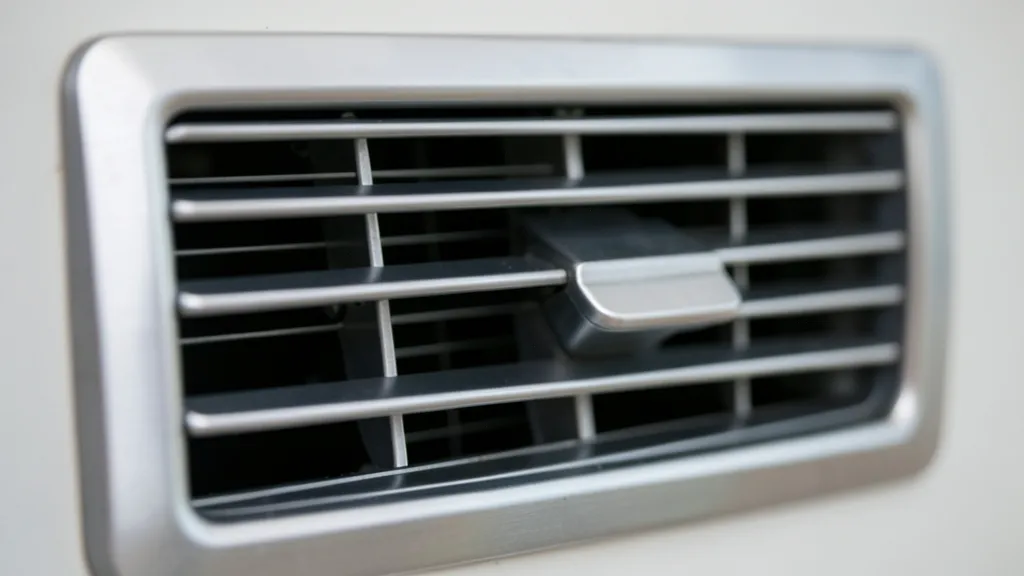
In Manhattan’s dense co-ops and condos, confusion often swirls around who handles air duct cleaning. The answer hinges on whether ductwork serves individual units or the entire building. We break down the distinctions so you can act—and breathe—with confidence.
Co-ops vs. Condos: The Core Difference
In co-ops, the corporation owns the building, and shareholders own shares tied to their units. The co-op board typically maintains common elements, including central HVAC systems and shared ductwork.
Condos, however, involve individual ownership of units plus shared ownership of common areas. Here, the condo association usually oversees shared ductwork, while unit owners handle ducts exclusive to their space.
Shared Ductwork: The Building’s Responsibility
Ducts serving multiple units—common in high-rises—are almost always the building’s responsibility. This includes supply and return trunk lines running through shafts or ceilings between floors.
In both co-ops and condos, the board or association funds cleaning for these systems via common charges or special assessments. Regular maintenance prevents cross-contamination between units.
Building documents may override general rules. Some older co-ops treat all ductwork as common, while newer condos might shift responsibility to unit owners for certain segments.
Unit-Specific Ducts: Usually the Owner’s Job
Ducts branching off the main trunk to serve only your unit—often called ‘branch ducts’—are typically the owner’s responsibility. This includes the final runs to vents in your living room, bedroom, or kitchen.
Neglecting these can reduce airflow, strain your HVAC, and degrade indoor air quality. In Manhattan’s tight spaces, dust and allergens accumulate quickly without regular cleaning.
Gray Areas: Where Disputes Arise
Disagreements often surface over ducts that start as common but end in individual units. For example, a vertical riser may be shared, but the horizontal runs into your apartment might not be.
Clarity comes from the building’s offering plan or alteration agreement. If documents are silent, a professional inspection can map the system and assign responsibility.
| Duct Type | Co-op Responsibility | Condo Responsibility |
|---|---|---|
| Main supply/return trunks | Board | Association |
| Branch ducts to individual units | Owner (usually) | Owner (usually) |
| Ducts in common areas (hallways, gyms) | Board | Association |
| Unit-specific dryer vents | Owner | Owner |
Why Manhattan Buildings Need Regular Duct Cleaning
The city’s urban environment—pollution, construction dust, and high humidity—accelerates duct contamination. Poor air quality can aggravate allergies and respiratory issues, especially in sealed high-rise units.
Shared systems in buildings from the Upper East Side to Harlem can spread contaminants between units if not maintained. Proactive cleaning protects health and HVAC efficiency.
Pre-war buildings with aging ductwork are prone to moisture buildup. If you detect musty odors, request an indoor air quality test and consider mold and mildew duct treatment.
What Happens If No One Takes Responsibility?
Uncleaned ducts reduce system performance, increasing energy costs for the entire building. In severe cases, blocked airflow can damage HVAC equipment, leading to costly repairs charged back to residents.
Tenants may also face health complaints. New York City’s local laws emphasize habitable conditions, and poor indoor air quality can trigger violations.
Steps to Resolve Unclear Responsibility
Start by reviewing your building’s governing documents. Look for terms like ‘common elements,’ ‘limited common elements,’ or ‘exclusive use areas’—these often define duct ownership.
If the language is vague, consult the board or property manager. They can clarify past practices or seek a legal opinion. In stubborn cases, a licensed duct cleaning professional can assess and advise.
Quick Action Plan
- Locate your co-op proprietary lease or condo declaration
- Identify duct types in your unit (shared vs. exclusive)
- Request a copy of the building’s maintenance logs for ductwork
- Schedule a professional inspection if responsibility is disputed
How to Confirm Duct Responsibility in Your Building
Follow these steps to pinpoint who should arrange and pay for air duct cleaning.
- 1Review Building Documents
Check the offering plan, bylaws, or house rules for mentions of HVAC, ductwork, or ventilation systems. Note any definitions of common vs. individual elements.
- 2Map Your Ductwork
Trace ducts from your vents back to the main trunk. If they connect directly to a shared shaft, they’re likely common. If they branch off privately, they may be yours.
- 3Consult the Board or Manager
Ask for written clarification on past duct cleaning projects. Request copies of invoices to see which party was billed.
- 4Hire a Professional Inspector
A certified duct cleaning technician can document the system layout and provide an expert opinion on responsibility, often resolving disputes.
- 5Document the Findings
Keep a record of the inspection report and any board communications. This protects you if questions arise later.
Frequently Asked Questions
Can a Manhattan co-op board force a shareholder to clean their branch ducts?
Yes, if the bylaws grant the board authority over unit maintenance that affects building systems. However, the board usually covers shared ductwork, while owners handle their exclusive branches. Always verify your building’s rules.
Are dryer vents considered part of the ductwork responsibility?
Dryer vents are typically the unit owner’s responsibility in both co-ops and condos, even if they exit through a shared wall or roof. Clogged dryer vents pose fire risks, so regular cleaning is critical.
How often should shared ductwork be cleaned in a Manhattan high-rise?
NADCA recommends cleaning every 3–5 years, but urban buildings may need it more frequently due to pollution and dense occupancy. Factors like pet dander, smoking, or recent renovations can shorten this interval.
What if my neighbor’s dirty ducts are affecting my air quality?
If shared ductwork is contaminated, the building is responsible for addressing it. Report the issue to the board or manager. For unit-specific problems, the affected owner should take action.
Do commercial condo units in Manhattan follow the same rules?
Generally, yes, but commercial units often have more complex HVAC systems. The condo association may require commercial owners to maintain their own ductwork, especially if it serves only their space.
Is UV light sanitization for ducts a building or owner responsibility?
This depends on the ductwork’s classification. If the UV system treats shared ductwork, the building typically handles it. For unit-specific ducts, the owner would arrange and pay for the service.