Why Manhattan’s Old Buildings Need Extra Ductwork Attention
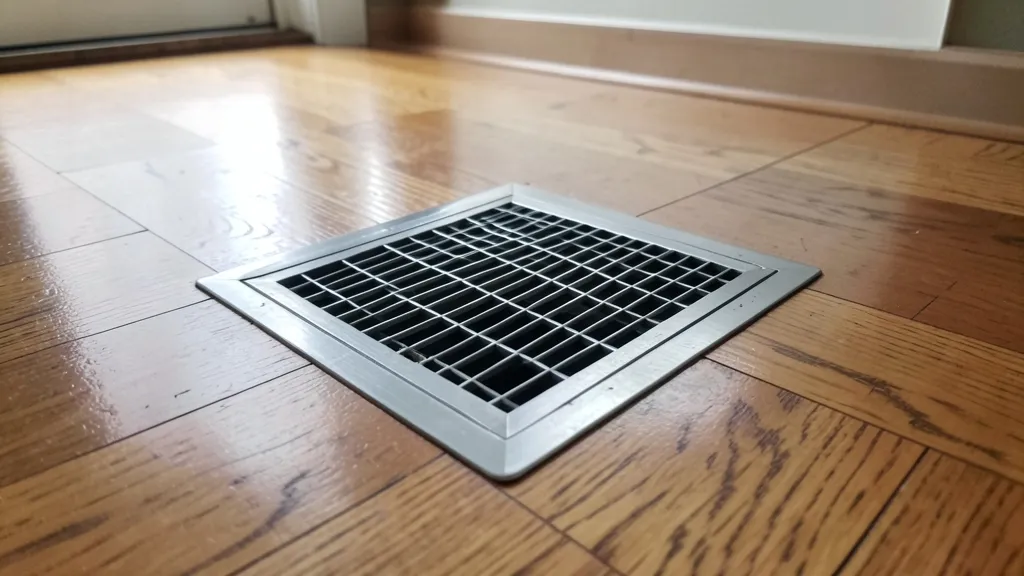
Manhattan’s historic buildings are full of character—and often, full of hidden ductwork problems. Aging systems in pre-war and mid-century properties accumulate dust, mold, and debris faster than modern setups, directly impacting air quality and HVAC efficiency. We’ve seen it firsthand in everything from Upper East Side brownstones to Financial District offices.
The Unique Challenges of Aging Duct Systems
Older buildings often rely on ductwork installed decades ago, when standards for airflow and insulation were far less stringent. These systems weren’t designed for today’s high-efficiency HVAC units or the demands of modern indoor air quality.
In neighborhoods like Chelsea or Harlem, many properties still use original sheet metal or even fabric-lined ducts. Over time, these materials degrade, creating gaps, leaks, and perfect breeding grounds for mold and bacteria.
Unlike newer flex ducts, rigid metal ducts in historic structures can also suffer from rust, corrosion, or improper sealing—especially in basements or crawl spaces where moisture is common.
How Manhattan’s Climate Accelerates Ductwear
Our humid summers and cold winters put extreme stress on ductwork. Moisture from high humidity can condense inside ducts, promoting mold and mildew growth—especially in poorly insulated systems.
Winter heating cycles dry out the air, but they also circulate dust, pet dander, and other allergens that settle in ductwork over the years. Without regular cleaning, these contaminants recirculate every time the system runs.
The constant temperature swings in spring and fall can cause ducts to expand and contract, weakening seals and connections. This is a common issue we address during air duct cleaning in older Upper West Side co-ops.
If your building has a musty smell or visible mold near vents, it’s a sign of contamination. Mold in ductwork requires professional remediation, not just surface cleaning.
Common Contaminants in Historic Ductwork
Decades of use mean layers of dust, pollen, and even rodent droppings can accumulate. In older buildings, asbestos insulation (in pre-1980s systems) or lead-based sealants may also be present, requiring specialized handling.
Pet dander and insect remains are frequent in residential buildings, while commercial spaces in areas like the Financial District often deal with higher levels of office dust, paper fibers, and even construction debris from renovations.
Bacteria and viruses can also thrive in dirty ducts, particularly in systems with high humidity or poor ventilation. This is why we often recommend UV light and sanitization treatments alongside cleaning.
Duct Material Matters: A Comparison
Not all ducts age the same. The material and construction of your ductwork play a huge role in how it holds up over time—and how it should be cleaned.
| Material | Lifespan | Common Issues | Cleaning Considerations |
|---|---|---|---|
| Sheet Metal | 50+ years | Rust, corrosion, poor sealing | Can be thoroughly cleaned but may need repairs or replacement if damaged |
| Fiberglass Lined | 20-30 years | Deteriorating lining, mold growth, fiber shedding | Often requires replacement; lining cannot be effectively cleaned once degraded |
| Flex Duct | 10-20 years | Kinking, tears, sagging | Easier to clean but prone to damage; may need straightening or replacement |
| Fabric Ducts | 10-15 years | Dust accumulation, fabric degradation | Typically replaced rather than cleaned due to fabric wear |
Signs Your Old Building’s Ducts Need Attention
Uneven heating or cooling is a red flag. If some rooms are always too hot or cold, it could indicate blocked or leaking ducts.
Increased dust on surfaces shortly after cleaning your home or office is another sign. Dirty ducts constantly redistribute particles.
Whistling or rattling noises often point to loose or damaged duct sections. In older buildings, this can also signal collapsed or disconnected ducts hidden behind walls.
When to Call a Pro
- Visible mold or mildew near vents or in ductwork
- Persistent musty or stale odors when HVAC runs
- Sudden spike in allergy or asthma symptoms indoors
- Higher-than-usual energy bills with no clear cause
Why Professional Cleaning Beats DIY
Older duct systems are complex, often with hard-to-reach sections and fragile components. Professional tools like high-powered vacuums, rotating brushes, and inspection cameras ensure a thorough clean without damaging the system.
We also address related components like HVAC coils, which can harbor mold and reduce efficiency if not cleaned alongside the ducts. In commercial buildings, this often includes dryer vent cleaning to prevent fire hazards.
DIY methods, like using a household vacuum or store-bought sprays, only scratch the surface. They can’t reach deep into the system or remove stubborn contaminants like grease in kitchen exhaust ducts.
Dirty coils force your HVAC to work harder, increasing energy use. Always pair duct cleaning with coil cleaning for maximum efficiency and air quality.
The Role of Indoor Air Quality Testing
Before and after cleaning, indoor air quality testing can reveal hidden problems. Tests for particulates, mold spores, VOCs, and allergens give a clear picture of what’s circulating in your air.
In older buildings, we often find elevated levels of dust mites, pollen, or even asbestos fibers. Testing helps prioritize remediation and validate the effectiveness of cleaning.
Post-cleaning tests are especially valuable in sensitive environments like schools, hospitals, or homes with immune-compromised residents. It’s a service we recommend for peace of mind in any historic property.
Long-Term Solutions for Historic Properties
Regular maintenance is key. We recommend air duct cleaning every 3-5 years for older buildings, or more frequently if occupants have allergies or respiratory issues.
Upgrading insulation and sealing leaks can improve efficiency and prevent future contamination. In some cases, partial or full duct replacement may be the most cost-effective long-term solution.
Adding UV light systems or advanced air filters can further improve air quality, especially in densely populated areas where outdoor pollution is a concern.
How to Prepare for a Professional Duct Cleaning
A little prep ensures the process is smooth and effective.
- 1Clear the Area
Remove furniture, rugs, or decor near vents and returns to give technicians full access. This also protects your belongings from dust or debris.
- 2Secure Pets
Pets can be stressed by the noise and activity. Keep them in a separate room or arrange for them to be out of the home during the service.
- 3Turn Off HVAC
Shut down your heating or cooling system at least 30 minutes before the appointment. This allows ducts to cool and makes inspection easier.
- 4Point Out Problem Areas
Note any specific concerns, like musty odors, uneven temperatures, or visible mold. Share this with the technician to focus the cleaning.
- 5Plan for Downtime
The system will be off during cleaning. In commercial spaces, schedule the service during off-hours to minimize disruption.
Frequently Asked Questions
Can old ductwork be cleaned, or does it need to be replaced?
Most old ductwork can be cleaned, but the material and condition matter. Sheet metal ducts often last decades with proper maintenance, while degraded fiberglass or fabric ducts may need replacement. We assess each system individually to recommend an appropriate approach.
How do I know if my Manhattan building’s ducts have mold?
Visible mold near vents, a musty smell when the HVAC runs, or unexplained allergy symptoms are common signs. Professional inspection with cameras and air quality testing can confirm mold presence and its extent.
Will duct cleaning reduce my energy bills?
Yes, by improving airflow and efficiency. Clogged or leaky ducts force your HVAC to work harder, increasing energy use. Clean ducts help the system operate at peak performance, which can lower costs over time.
Is duct cleaning messy?
Not with professional equipment. We use contained systems and high-efficiency vacuums to prevent dust and debris from spreading into your space. Any mess is minimal and easily cleaned up afterward.
Do you service both residential and commercial buildings in Manhattan?
Absolutely. We handle everything from Upper East Side apartments and Harlem brownstones to large commercial spaces in the Financial District. Each requires a tailored approach, especially in older structures.
What’s the difference between air duct cleaning and dryer vent cleaning?
Air duct cleaning focuses on the HVAC system’s supply and return ducts, while dryer vent cleaning targets the exhaust vent for your dryer. Both are critical—lint buildup in dryer vents is a major fire hazard, especially in older buildings.